
Are you truly getting the restorative sleep your body and mind desperately need? Or are hidden factors in your bedroom subtly sabotaging your nightly rest? In today’s fast-paced world, optimizing our sleep isn’t just a luxury; it’s a necessity for overall well-being.
Table of Contents
This comprehensive guide will explore how embracing Smart sleep sensors for better bedroom health can revolutionize your nights, transforming your sleep environment into a sanctuary of restorative rest. We’ll delve into the technology that empowers a truly intelligent bedroom environmental monitoring system, offering insights that traditional sleep tracking simply can’t match.
Materials & Supplies
To embark on your journey toward optimized sleep with smart sensors, here’s a breakdown of the essential “materials” you’ll need, along with descriptions and optional alternatives:
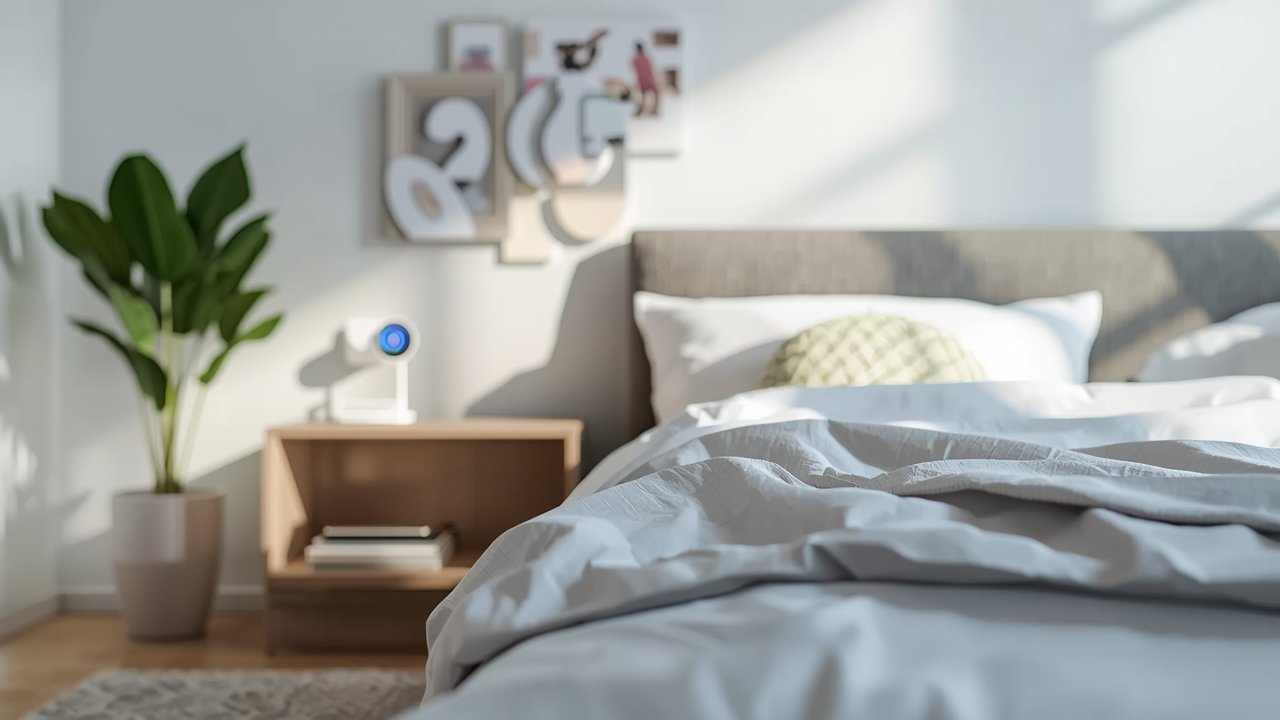
* Core Sleep Sensor Device: This is the heart of your setup. Options range from under-mattress pads (e.g., Withings Sleep Analyzer, Sleep Cycle pad) that track heart rate, breathing, and movement without wearable discomfort, to bedside devices (e.g., Google Nest Hub, Amazon Echo Show with sleep sensing) that use radar or sound to monitor sleep patterns and environmental factors.
Description:* Non-invasive devices designed to gather comprehensive sleep data.
Alternatives:* Wearable smartwatches (Apple Watch, Fitbit) are a popular alternative, though they focus more on personal biometrics than the entire sleep environment.
* Smart Hub or Compatible Device (Optional but Recommended): Many advanced sleep systems integrate with broader smart home ecosystems (e.g., Apple HomeKit, Google Home, Amazon Alexa). A central hub can consolidate data and enable automation.
Description:* A central control unit that links various smart devices, allowing them to communicate and be managed from a single interface.
Alternatives:* Direct Bluetooth or Wi-Fi connection to your smartphone for simpler setups.
* Companion Mobile Application: Every smart sleep sensor comes with a dedicated app for data visualization, analysis, and often, personalized insights and coaching.
Description:* Software application installed on your smartphone or tablet, essential for setting up, monitoring, and interpreting data from your sleep sensor.
* Environmental Sensors (Optional): To truly optimize your bedroom health, consider integrating additional sensors for temperature, humidity, CO2 levels, and ambient light. Some advanced sleep sensors include these, while others require separate smart home devices.
Description:* Devices that measure specific atmospheric conditions in your bedroom, crucial for a holistic view of your sleep environment.
Alternatives:* Standalone smart thermometers or air quality monitors.
* Reliable Wi-Fi Connection: Most smart sleep sensors require a stable internet connection for data synchronization, firmware updates, and app communication.
Description:* High-speed wireless internet access, vital for the seamless operation of connected devices.
Timing / Growing Schedule

The “growing schedule” for achieving better bedroom health through smart sleep sensors is less about cultivation and more about installation, data collection, and habit formation.
* Initial Setup & Integration (Preparation Time): Allow 30 minutes to 1 hour. This involves unboxing, placing your sensor (under mattress, on bedside table), downloading the app, connecting to Wi-Fi, and linking any additional environmental sensors. Most modern devices are plug-and-play, designed for quick setup.
* Data Collection & Baseline Establishment (Growth Duration): Expect 1-2 weeks. During this period, your sensor will silently collect data on your sleep patterns, vital signs, and potentially environmental factors. This baseline is crucial for the system to understand your typical sleep and identify anomalies or areas for improvement. Think of it as the “germination” phase where the system learns your unique sleep profile.
* Insight Generation & Optimization (Expected “Harvest” Time): Within 2-4 weeks, you’ll start receiving actionable insights. The app will begin to highlight trends, suggest adjustments to your bedtime routine, or point out environmental issues (e.g., “bedroom too warm around 3 AM”). Continuous monitoring allows for ongoing refinement, much like pruning a plant for better yield. The benefits of consistent, data-driven sleep improvement are realized over months, leading to sustained energy and vitality.
Step-by-Step Instructions

Optimizing your sleep with Smart sleep sensors for better bedroom health involves a few straightforward steps to ensure you’re getting the most out of your technological investment.
1. Choose Your Ideal Sensor: Research different types (under-mattress, bedside, wearable) and select one that aligns with your comfort preferences and the data points you prioritize. Consider integration with other smart home devices if you have them.
2. Strategic Placement & Installation:
* Under-Mattress Sensors: Carefully slide the pad under your mattress, typically around chest level, ensuring it lies flat. Follow the manufacturer’s specific instructions for alignment.
* Bedside Devices: Place on a nightstand, ensuring it has an unobstructed view of your sleeping area (if it uses radar or sound). Avoid placing it too close to walls or objects that could interfere with readings.
* Environmental Sensors: Position these to get accurate ambient readings, away from direct sunlight, vents, or open windows.
3. App Download & Initial Setup: Download the companion app to your smartphone or tablet. Create an account, pair your sensor via Bluetooth or Wi-Fi, and complete the guided setup process. This usually involves entering basic personal data (age, weight) for more accurate calculations.
Tip:* Enable push notifications for insights, but mute them during sleep hours.
4. Baseline Data Collection: Simply go to sleep! For the first week or two, focus on maintaining your normal routine. The sensor will quietly collect data, establishing a baseline of your sleep cycles, duration, disturbances, and environmental conditions.
5. Analyze Your Sleep Report: Daily, review the insights provided by your app. Look for patterns:
* What time do you consistently fall asleep and wake up?
* How much deep, light, and REM sleep are you getting?
* Are there frequent disturbances, and if so, what kind (tossing/turning, breathing irregularities)?
* If you have a bedroom environmental monitoring system, are temperature, humidity, or CO2 levels fluctuating significantly throughout the night?
6. Implement Data-Driven Adjustments: Based on your analysis, make small, targeted changes. For instance, if your room gets too warm, schedule your smart thermostat to cool down an hour before bed. If light exposure is an issue, consider blackout curtains or a smart bulb that dims gradually.
Small success-oriented advice:* Start with one change at a time and observe its impact over a few nights before introducing another. This makes it easier to pinpoint effective strategies.
7. Continuous Monitoring & Refinement: Sleep is dynamic. Continue to monitor your reports and adjust as needed. Pay attention to how changes in your diet, exercise, or stress levels impact your sleep, as revealed by your sensor.
Nutritional Benefits / Advantages
While “nutritional” benefits aren’t applicable, smart sleep sensors offer a wealth of advantages that profoundly impact health, lifestyle, and even environmental awareness.
* Unparalleled Sleep Quality Insights: Beyond just knowing how long you slept, these sensors track sleep stages (REM, deep, light), heart rate variability, breathing patterns, and disturbances. This detailed data helps identify issues like sleep apnea indicators or restless leg syndrome, prompting early intervention.
* Optimized Sleep Environment: By integrating with environmental sensors, you gain critical information about temperature, humidity, light, and noise levels. This allows you to create the “perfect” sleep sanctuary, reducing environmental stressors that impair sleep.
* Enhanced Daily Performance & Mood: Consistently better sleep directly translates to improved cognitive function, concentration, memory, and problem-solving abilities. You’ll likely experience increased energy, reduced irritability, and a more positive mood throughout the day.
* Proactive Health Management: The long-term data trends can reveal patterns related to stress, illness, or even the early signs of certain health conditions, empowering you and your healthcare provider with valuable information.
* Personalized Coaching & Habits: Many apps offer personalized advice, guided meditations, and smart alarms that wake you during a light sleep stage, leading to a more refreshed feeling. This fosters better sleep hygiene and sustainable healthy habits.
* Potential Energy Savings: By understanding when your room needs cooling or heating to optimize sleep, you can integrate smart thermostats, leading to more efficient energy use and lower utility bills.
Tips, Alternative Methods, or Gardening Advice
Expanding beyond basic setup, here are some advanced tips, integration strategies, and personalization advice for maximizing your smart sleep sensor experience:
* Integrate with Smart Home Ecosystems: Connect your sleep sensor with other smart devices. For example, have your smart lights dim gradually as your sleep cycle approaches wake-up, or trigger your smart thermostat to adjust the temperature if the sensor detects you’re restless due to heat.
* Leverage IFTTT (If This Then That): Use automation platforms like IFTTT to create custom sleep-related routines. For instance, “If my sleep sensor detects I’ve fallen asleep, then turn off the living room lights.”
* Explore Advanced Data Analysis: Some apps allow data export. If you’re tech-savvy, import your sleep data into spreadsheets or health platforms to correlate it with other lifestyle factors like diet, exercise, or caffeine intake for deeper insights.
* Customize Alerts and Coaching: Dive into your app’s settings. Adjust notification preferences, set sleep goals, and explore guided programs for relaxation or improved sleep hygiene.
* “Sleep Hygiene Audit”: Use the sensor data to conduct a thorough audit of your pre-sleep routine. Experiment with different bedtime activities (reading, meditation, warm bath) and note how they impact your sleep quality metrics.
* Family Monitoring (with consent): For caregivers or parents, some systems allow discreet, non-invasive monitoring of children or elderly family members’ sleep patterns, offering peace of mind and insights into their well-being.
* Consider a Sleep Specialist Consultation: If your sensor data consistently points to significant sleep disturbances (e.g., frequent apnea events, severe insomnia), don’t hesitate to share the insights with a doctor or sleep specialist for professional evaluation.
Common Mistakes to Avoid
Even with the best technology, common pitfalls can hinder your journey to better sleep. Here’s what to avoid and how to correct it:
* Ignoring the Data (or Over-Obsessing):
Mistake:* Collecting data but never reviewing it, or conversely, becoming overly anxious about every single metric.
Solution:* Make a habit of reviewing your sleep report once or twice a week, looking for trends rather than daily fluctuations. Focus on actionable insights rather than perfect scores.
* Poor Sensor Placement:
Mistake:* Placing an under-mattress sensor incorrectly (e.g., too high, too low, or bunched up) or a bedside sensor with an obstructed view.
Solution:* Always follow manufacturer guidelines precisely. If readings seem inaccurate, double-check placement first.
* Expecting Instant Miracles:
Mistake:* Believing the sensor alone will “fix” your sleep overnight without any effort on your part.
Solution:* Understand that sensors provide information; it’s up to you to act on the insights. Sustainable sleep improvement is a gradual process requiring consistent adjustments to habits and environment.
* Neglecting Environmental Factors:
Mistake:* Focusing solely on biometric data while ignoring the impact of room temperature, humidity, noise, or light.
Solution:* Integrate environmental sensors if your core sleep sensor doesn’t include them. Actively manage these elements based on the data to create an optimal sleep sanctuary.
* Inconsistent Usage:
Mistake:* Using the sensor sporadically, leading to incomplete data sets and unreliable trends.
Solution:* Make using your sensor a consistent part of your bedtime routine. The more data it collects, the more accurate and helpful its insights will be.
* Overlooking Software Updates:
Mistake:* Not updating the sensor’s firmware or the companion app.
Solution:* Regularly check for updates. These often include bug fixes, performance improvements, and new features that enhance accuracy and functionality.
Storage / Maintenance Tips
Maintaining your smart sleep sensor and managing its data are key to long-term optimal performance and privacy.
* Sensor Care & Cleaning:
* Most sensors require minimal physical maintenance. For under-mattress pads, ensure they remain flat and aren’t subject to excessive folding or tearing.
* For bedside devices, gently wipe surfaces with a soft, dry, or slightly damp cloth to remove dust. Avoid harsh chemicals or abrasive materials.
* Battery Management (if applicable): If your sensor uses rechargeable batteries, establish a charging routine. If it uses disposable batteries, monitor battery life via the app and replace them promptly to avoid data gaps.
* Software & Firmware Updates: Regularly check the companion app for notifications regarding firmware updates for your sensor and updates for the app itself. These updates often improve accuracy, add features, and patch security vulnerabilities.
* Data Backup & Export: Understand your app’s data management features. Many offer cloud backup, ensuring your sleep history isn’t lost if you change devices. Some also allow you to export your data for personal archiving or sharing with healthcare professionals.
* Privacy Settings Review: Periodically review the privacy settings within the app. Understand what data is collected, how it’s used, and who it’s shared with (if applicable). Adjust settings to align with your comfort level.
* Seasonal “Recalibration”: While sensors don’t typically need recalibration like scientific instruments, consider a “seasonal reset” of your sleep environment. As seasons change, so do light, temperature, and humidity. Use your sensors to fine-tune your bedroom conditions for optimal sleep in spring, summer, autumn, and winter.
Conclusion
Embracing the power of Smart sleep sensors for better bedroom health isn’t just about investing in technology; it’s about investing in yourself. By providing granular insights into your unique sleep patterns and the environmental factors influencing them, these devices empower you to make informed adjustments that can dramatically improve your rest and overall well-being. From understanding your sleep stages to fine-tuning your bedroom’s ambiance with a sophisticated bedroom environmental monitoring system, the path to truly restorative sleep is now data-driven and within reach. Don’t let another night of suboptimal sleep pass you by. Start your journey towards a healthier, happier you today by exploring the world of intelligent sleep technology.
FAQs
Q1: Are smart sleep sensors accurate?
A1: Modern smart sleep sensors, especially those from reputable brands, are highly accurate in tracking sleep stages, heart rate, breathing, and movement. While they may not match clinical polysomnography perfectly, they provide reliable data for personal insights and identifying trends over time.
Q2: Do I need a smart sleep sensor if I already use a smartwatch for sleep tracking?
A2: Not necessarily, but a dedicated sleep sensor often provides a more comprehensive picture. Smartwatches primarily track personal biometrics, whereas dedicated sleep sensors (especially under-mattress or bedside units) can also monitor the surrounding environment and offer more detailed insights into breathing patterns and sleep disturbances without the need to wear a device to bed.
Q3: How long does it take to see results from using a smart sleep sensor?
A3: You’ll start seeing daily reports immediately. However, it typically takes 1-2 weeks to establish a baseline of your sleep patterns and for the system to identify significant trends. Actionable insights and noticeable improvements in your sleep quality often become apparent within 2-4 weeks of consistent use and implementing suggested changes.
Q4: What specific environmental factors do these sensors monitor?
A4: Many advanced smart sleep sensors and integrated bedroom environmental monitoring systems track temperature, humidity, ambient light levels, and sometimes even CO2 levels or noise. This data helps you optimize your bedroom climate for ideal sleep.
Q5: Are my sleep data private and secure?
A5: Reputable smart sleep sensor manufacturers prioritize data privacy and security, often employing encryption and adhering to strict privacy policies. Always review the privacy policy of any device or app you use and adjust your settings to your comfort level. Ensure you’re using strong, unique passwords for your accounts.