
Artificial intelligence has fundamentally changed how we create and consume visual content. Among the most impressive advancements are AI image generators. These tools allow anyone to turn a simple text description into a high-quality visual. This technology is no longer a niche curiosity. It is now a core part of the creative toolkit for designers, marketers, and hobbyists alike.
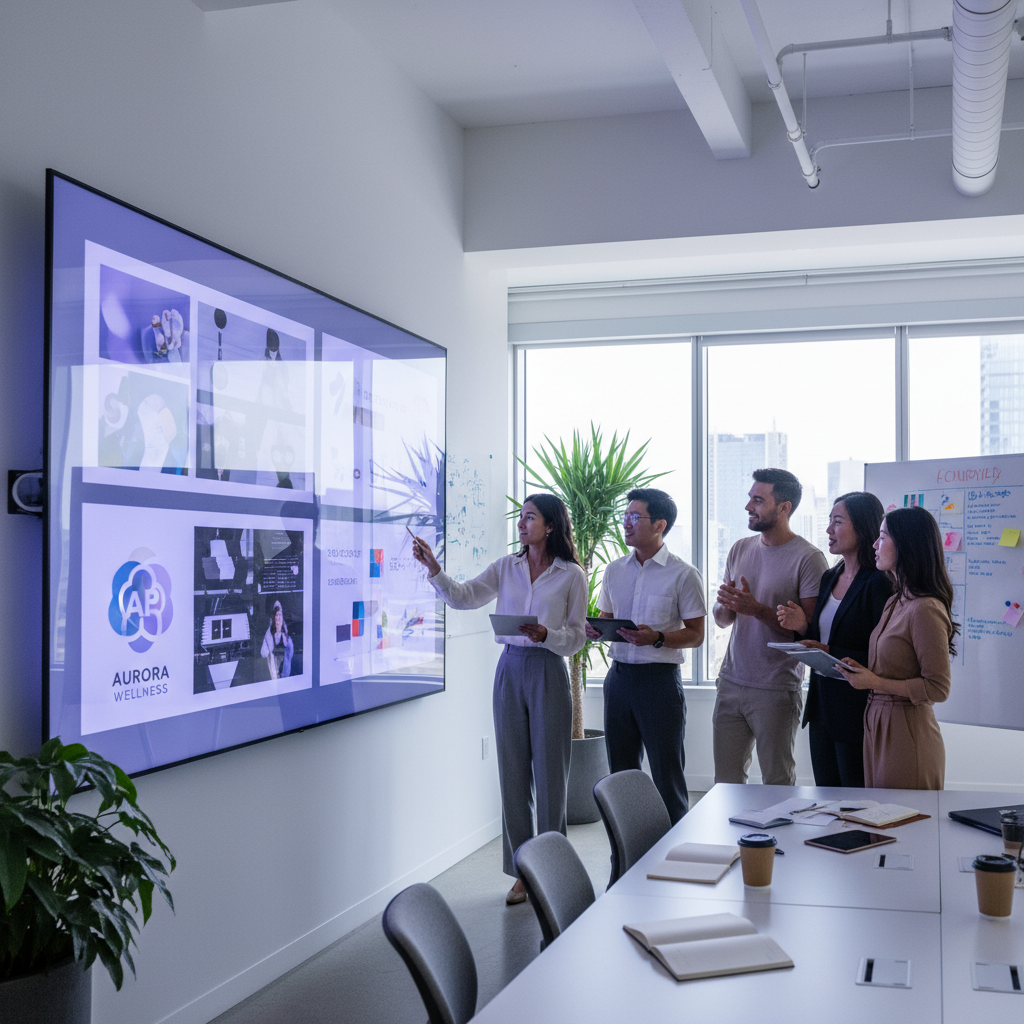
Table of Contents
Understanding AI Image Generators
At their core, AI image generators are software programs that use machine learning to create images. They do not simply copy and paste existing pictures. Instead, they learn the relationships between words and visual concepts. When you type a prompt, the AI synthesizes a new image from scratch based on its training data. This process often involves complex neural networks called diffusion models.
How Diffusion Models Work
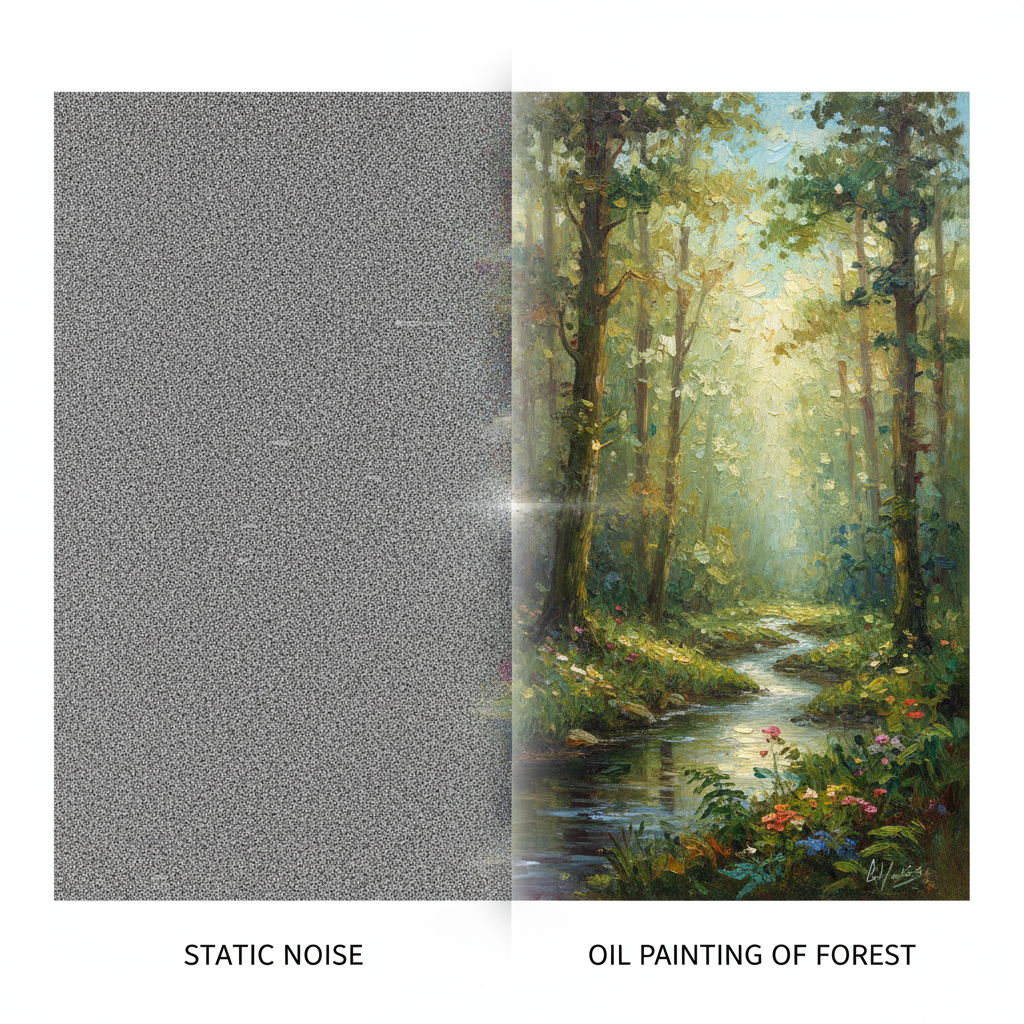
Diffusion models start with a field of random noise, much like static on an old television. Through a series of steps, the model removes this noise. It gradually shapes the pixels into a recognizable image that matches your prompt. This iterative process allows for incredible detail and variety. It is the reason why modern AI image generators can produce everything from photorealistic portraits to abstract digital art.
Leading AI Image Generators in the Current Market
The landscape of text-to-image technology is crowded with powerful options. Each tool has its own strengths and unique user experience. Understanding these differences helps you choose the right tool for your specific needs. Most users gravitate toward three major platforms: Midjourney, DALL-E 3, and Stable Diffusion.
Midjourney: The Artistic Powerhouse
Midjourney is famous for its distinct artistic style. It often produces images that look like professional paintings or cinematic concept art. Unlike other AI image generators, Midjourney operates through a Discord server. Users interact with a bot to generate images. While the interface is unique, the community aspect allows creators to see and learn from each other’s prompts. It is the preferred choice for those seeking high-level aesthetics.
DALL-E 3: Precision and Ease of Use
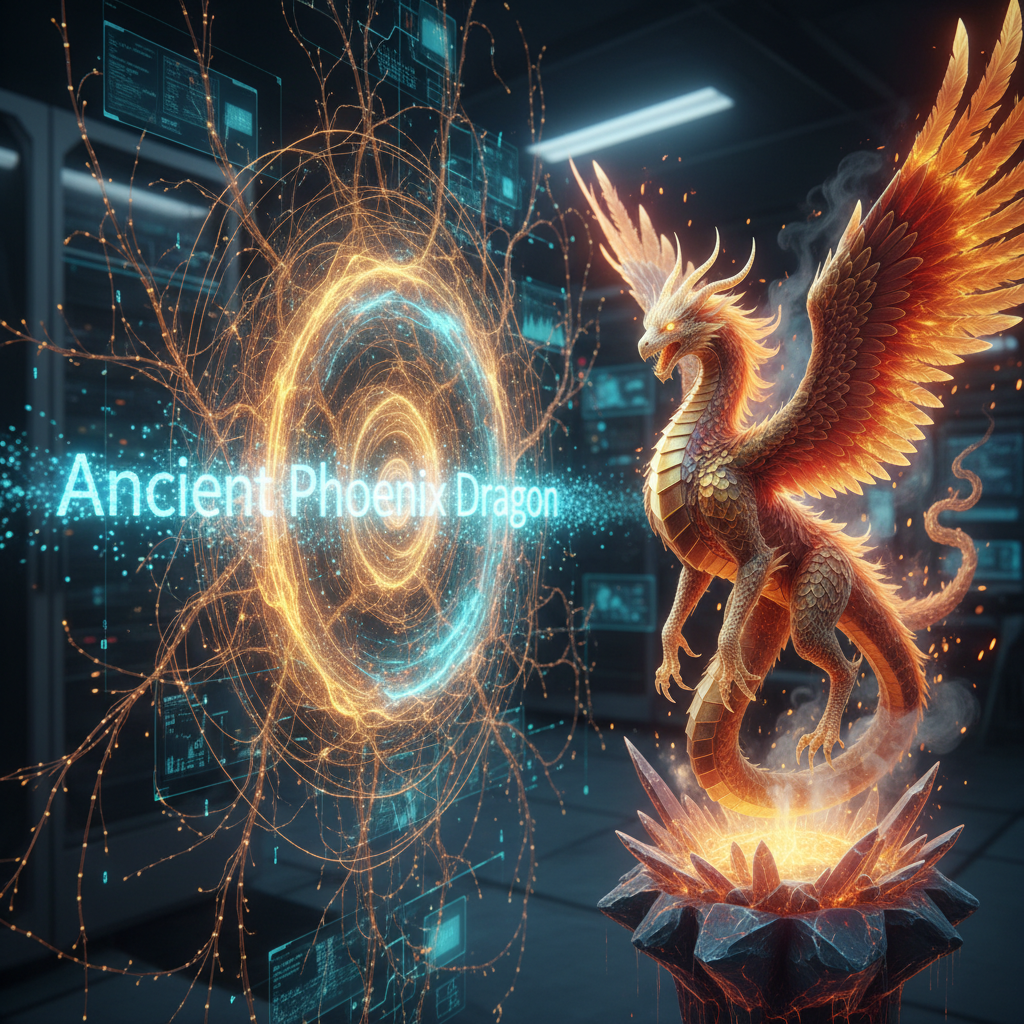
Developed by OpenAI, DALL-E 3 is integrated directly into ChatGPT. This makes it one of the most accessible AI image generators available today. Its primary strength is prompt adherence. If you ask for a very specific scene with complex details, DALL-E 3 is likely to get it right. It understands nuances in language better than many of its competitors. This makes it ideal for users who want their vision translated exactly as described.
Stable Diffusion: The Open-Source Alternative
Stable Diffusion offers a different approach. It is open-source, meaning anyone can download and run it on their own hardware. This provides unparalleled control. You can fine-tune the model with your own images or use community-made plugins. For tech-savvy creators, Stable Diffusion is the gold standard because it lacks the strict filters and subscription costs of proprietary AI image generators.
Mastering the Art of Prompt Engineering
The quality of your output depends heavily on your input. This has given rise to a new skill known as prompt engineering. To get the most out of AI image generators, you must learn how to communicate effectively with the machine. A good prompt is descriptive, specific, and structured.
- Define the Subject: Be clear about what should be in the image.
- Specify the Style: Mention if you want a photograph, an oil painting, or a 3D render.
- Control the Lighting: Use terms like ‘golden hour,’ ‘cinematic lighting,’ or ‘soft glow.’
- Set the Composition: Describe the camera angle, such as ‘wide shot’ or ‘close-up.’
By refining these elements, you can guide the AI image generators to produce professional-grade results. Experimentation is key. Sometimes, changing a single word can completely transform the mood and quality of the generated visual.
The Role of AI Image Generators in Business
Companies are quickly adopting these tools to streamline their workflows. Marketing teams use AI image generators to create social media content and ad visuals in seconds. This reduces the need for expensive stock photo subscriptions. Designers use them for rapid prototyping. Instead of spending hours on a mockup, they can generate several concepts to show clients instantly. This speed allows for more creative exploration and faster project turnarounds.
Ethical Considerations and Copyright
As with any disruptive technology, AI image generators bring significant ethical challenges. The most pressing issue is copyright. These models are trained on billions of images from the internet. Many of these images are the work of human artists who did not consent to their work being used for training. This has led to ongoing legal debates and lawsuits. Furthermore, the potential for creating deepfakes or misleading content is a serious concern. Responsible use of AI image generators requires a commitment to transparency and respect for intellectual property.
Bias in AI Models
Another critical issue is algorithmic bias. Because AI image generators learn from human-created data, they often inherit human prejudices. For example, a prompt for a ‘doctor’ might disproportionately show images of men. Developers are working to fix these issues, but users should remain aware of these limitations. It is important to actively prompt for diversity and representation to combat these ingrained biases.
The Future of Visual Content Creation
We are only at the beginning of the AI revolution. Future AI image generators will likely offer real-time editing and video integration. We may soon see tools that allow us to generate entire 3D environments for virtual reality using only voice commands. The barrier between imagination and visual realization is thinning. While these tools will not replace human creativity, they will certainly amplify it. The most successful creators will be those who learn to collaborate with AI rather than compete against it.
Conclusion: Embracing the New Creative Era
In conclusion, AI image generators represent a massive shift in the creative landscape. They offer unprecedented power to visualize ideas quickly and affordably. Whether you are a professional artist or someone with no drawing skills, these tools open up a world of possibilities. By understanding how they work and using them ethically, we can harness their potential to build a more visually rich and creative world. The journey of exploring AI image generators is just starting, and the possibilities are truly limitless.