
Are you an entrepreneur, a freelancer running a home-based business, or part of a startup focused on sustainability? Have you ever wondered how closely linked your operational efficiency is to your household’s energy consumption? In today’s dynamic digital landscape, where every watt counts towards both your bottom line and your brand’s environmental footprint, leveraging advanced technology to manage resources is not just a luxury—it’s a necessity.
Table of Contents
This is precisely why adopting Smart energy meters for eco-conscious households has become a game-changer, offering unparalleled insight into energy usage. Integrating this eco-friendly home technology empowers digital natives to optimize their energy consumption, reduce overheads, and contribute positively to global sustainability efforts, all while potentially boosting their professional reputation.
Tools & Requirements
To effectively implement and monitor a smart energy metering system, you’ll need a combination of hardware and software solutions:
- Smart Meter Hardware: Provided and installed by your utility company. Ensure it’s a modern, advanced metering infrastructure (AMI) compliant device.
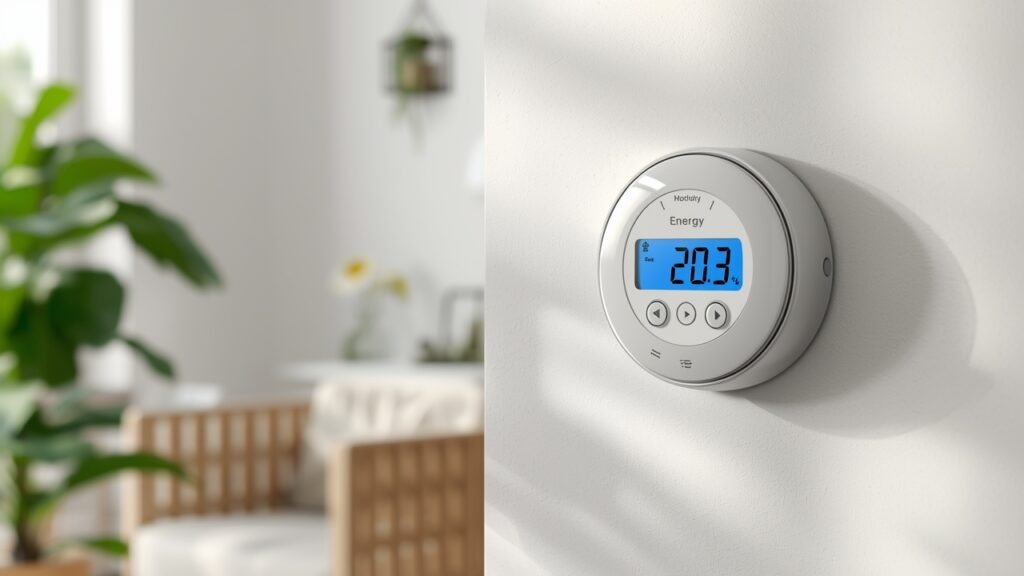
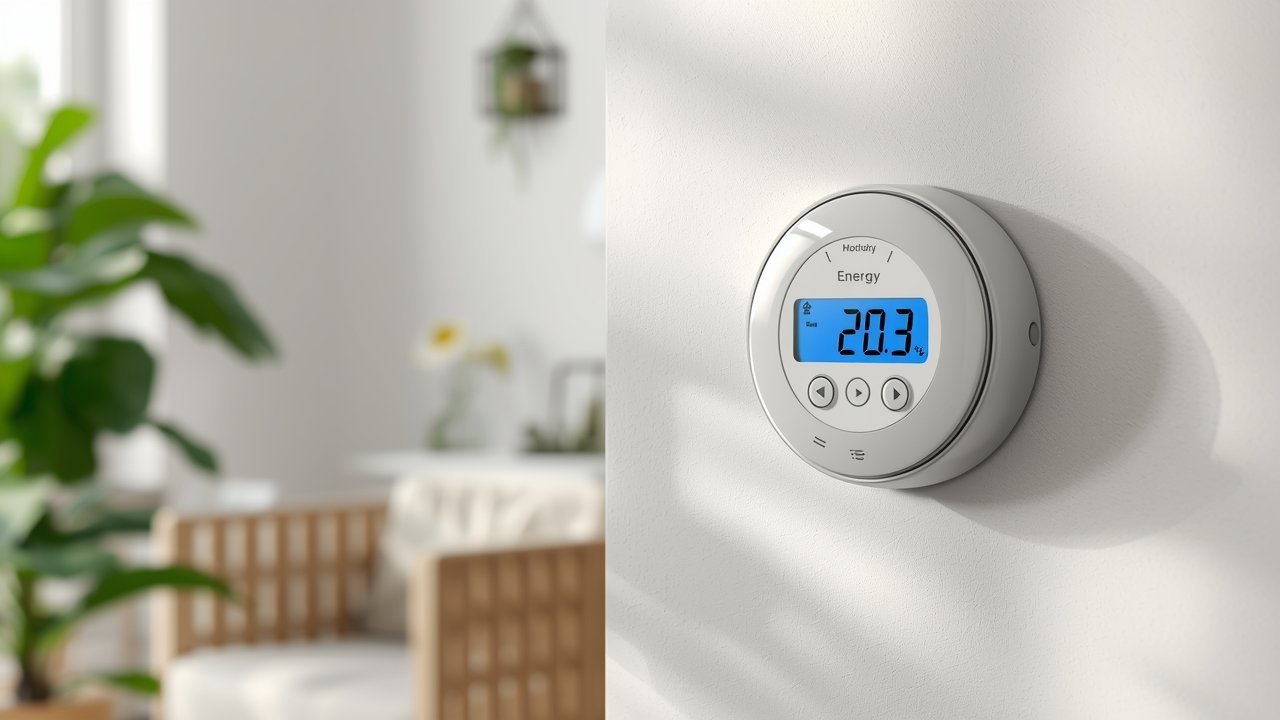
- In-Home Display (IHD): Often bundled with the smart meter, this device provides real-time energy consumption data.
- Utility Company’s Online Portal/App: Most modern utility providers offer dedicated web portals or mobile applications that connect to your smart meter, providing detailed historical data, billing information, and usage breakdowns.
- Third-Party Energy Monitoring Apps/Platforms (Optional): Solutions like Sense, Emporia Vue, or Currant allow for more granular circuit-level monitoring, AI-driven insights, and integration with smart home ecosystems.
- Smart Home Hub (Optional): A central hub like Amazon Echo, Google Home, or Apple HomeKit for integrating energy monitoring with other smart devices for automated control.
- Reliable Wi-Fi Network: Essential for data transmission from the meter/IHD to online portals and apps.
- A Modern Smartphone or Computer: For accessing dashboards, configuring settings, and receiving alerts.
Setup & Implementation Timeline

The initial setup of a smart energy meter is typically handled by your local utility provider, making the direct implementation fairly hands-off for the end-user. The installation itself usually takes less than an hour, with minimal disruption. The learning curve for understanding the basic data presented on an In-Home Display (IHD) or your utility’s app is generally low, taking only a few hours to grasp the essentials.
However, truly leveraging the data for optimization and behavioral changes can take a few weeks to months as you observe patterns and experiment with adjustments. You can start seeing initial results, such as identifying major energy drains, within the first few days of monitoring. More significant financial savings and impactful adjustments usually become apparent within 1-3 months of consistent monitoring and active management.
Step-by-Step Implementation Guide

Implementing a robust smart energy monitoring system goes beyond just having the meter installed. It’s about data utilization for impact:
- Confirm Smart Meter Installation: First, verify that your utility provider has installed or can install a smart energy meter at your premises. Many regions now mandate these installations. Once installed, ensure it’s transmitting data correctly to your utility’s system.
- Access Your Utility’s Online Portal: Register for an account on your energy provider’s website or download their official mobile app. This is your primary hub for detailed historical data, peak usage times, and cost breakdowns. Spend time exploring the dashboard to understand the data presented.
- Integrate with an In-Home Display (IHD): If your utility provides one, set up your IHD. Place it in a visible location (e.g., kitchen, home office) where it serves as a constant reminder of your real-time energy consumption. This immediate feedback loop is crucial for behavioral change.
- Consider Third-Party Monitoring Solutions (Optional but Recommended): For deeper insights, investigate solutions like Sense or Emporia Vue. These devices attach to your electrical panel and use AI to identify individual appliances’ energy signatures. This level of detail is invaluable for a home-based business looking to pinpoint workstation energy hogs.
- Set Up Alerts and Notifications: Configure alerts within your utility app or third-party platform for high usage thresholds or unusual spikes. This proactive monitoring helps you quickly identify issues and prevent bill shock.
- Analyze and Strategize: Regularly review your energy data. Look for patterns: when are your peak usage times? Which appliances consume the most power? Are there phantom loads (devices drawing power even when off)? Use these insights to develop an energy-saving strategy for your household and home office. This deep dive into your usage data makes Smart energy meters for eco-conscious households an indispensable tool for optimization.
- Automate with Smart Plugs and Controls: Once you’ve identified energy-intensive devices, consider integrating smart plugs, smart thermostats, and smart lighting into your setup. Automate these to switch off during non-working hours or when rooms are unoccupied, complementing your eco-friendly home technology strategy.
Key Benefits & Business Impact
For entrepreneurs, freelancers, and online businesses, the advantages of deploying Smart energy meters for eco-conscious households extend far beyond simply cutting personal bills. Firstly, there’s significant ROI in terms of reduced operational overhead. By precisely understanding and managing energy use in a home office environment, businesses can trim electricity costs, directly impacting profit margins.
This isn’t just about turning off lights; it’s about optimizing server usage, workstation power, and cooling systems. Secondly, real-time data fosters a culture of efficiency and sustainability, which can be a powerful marketing asset. Demonstrating a commitment to eco-friendly home technology and responsible resource management resonates with environmentally conscious clients and partners, enhancing brand reputation. Furthermore, the granular insights provided by these meters enable predictive analysis, allowing for better budgeting and forecasting of utility expenses, reducing financial surprises. This level of control and transparency empowers small business owners to make data-driven decisions that benefit both their finances and the planet.
Advanced Tips, Alternatives, or Optimization Strategies
To push your energy optimization further, consider these advanced tactics. Beyond basic smart meters, explore dedicated energy monitoring systems that offer circuit-level analysis, identifying the exact consumption of individual appliances, a boon for pinpointing power-hungry office equipment.
Implement smart home automation routines that integrate energy data—for instance, automatically adjusting thermostat settings based on real-time electricity prices or occupancy sensors. Look into demand-side management programs offered by your utility, which might provide incentives for reducing energy during peak hours. For larger home offices or server setups, investing in uninterruptible power supplies (UPS) with energy monitoring features can provide both protection and consumption insights. Finally, explore AI-powered energy management platforms that can learn your patterns and suggest optimal times for running high-drain appliances, leveraging off-peak rates for maximum savings.
Common Mistakes to Avoid
Even with the best intentions, several missteps can hinder your energy optimization efforts:
- Ignoring the Data: Simply having a smart meter isn’t enough; you must regularly review and act on the data it provides. Failure to analyze trends and identify consumption patterns renders the technology ineffective.
- Overlooking Phantom Load: Many devices consume power even when “off” or in standby mode. Neglecting to identify and address these “vampire draws” can negate significant savings.
- Setting and Forgetting: Energy consumption patterns change. Relying on initial settings without periodic review or adjustment, especially as you add new equipment or modify routines, will lead to suboptimal performance.
- Not Involving the Household: For home-based businesses, family members contribute to the overall energy footprint. Without their awareness and cooperation, collective efforts to reduce consumption will fall short.
- Underestimating Small Changes: Believing that only large appliances make a difference is a mistake. Numerous small changes—like unplugging chargers, using energy-saving light bulbs, or optimizing computer power settings—accumulate into substantial savings over time.
- Disregarding Peak Times: Utility companies often charge different rates during peak demand hours. Not adjusting your usage to avoid these periods can significantly increase costs, even if overall consumption remains stable.
Maintenance, Updates & Long-Term Optimization
Maintaining your smart energy system primarily involves staying engaged with the data. Regularly check your utility’s portal or third-party app for anomalies or unexpected spikes. Ensure all integrated smart devices, such as smart plugs or thermostats, receive firmware updates to maintain security and functionality.
Periodically review your energy tariff to ensure you’re on the most cost-effective plan, as new options often emerge. Back up any customized settings or automation routines if your system allows. Long-term optimization requires continuous learning and adaptation: as new energy-efficient technologies become available, consider upgrading older, power-hungry appliances. Regularly audit your home office for unnecessary devices or services contributing to your energy footprint. This proactive approach ensures your system remains optimized for both cost savings and environmental impact.
Conclusion
Embracing Smart energy meters for eco-conscious households is a strategic move for any entrepreneur, freelancer, or online business owner looking to optimize operations, reduce costs, and strengthen their commitment to sustainability. By providing granular data and actionable insights into energy consumption, these meters transform abstract utility bills into tangible, manageable metrics. The journey from installation to full optimization offers not just financial returns but also a heightened awareness of environmental impact, aligning personal values with professional practices. Integrate this eco-friendly home technology into your digital lifestyle today, and empower your business with intelligent energy management that paves the way for a more sustainable and profitable future.
FAQs
Q1: How accurate are smart energy meters compared to traditional meters?
A1: Smart meters are generally more accurate than older analog meters. They measure consumption digitally and transmit data frequently, reducing the likelihood of manual reading errors and providing a precise, up-to-the-minute overview of your household’s energy usage patterns.
Q2: Can smart meters expose my personal data or pose security risks?
A2: Smart meters are designed with robust security protocols, similar to other digital infrastructure. Data is typically encrypted during transmission, and utility companies adhere to strict privacy policies. However, it’s always wise to use strong passwords and monitor any connected third-party apps for security updates.
Q3: What if my utility company doesn’t offer smart meters yet?
A3: If your utility hasn’t installed smart meters, you can still gain significant insight with third-party energy monitors. These devices clip onto your electrical panel, providing similar real-time data and appliance-level breakdowns, offering a viable alternative for proactive energy management.
Q4: Do smart meters save money automatically, or do I need to do something?
A4: Smart meters primarily provide information. While they enable dynamic pricing plans that can save money, the actual savings come from your actions based on the data. Actively monitoring usage, identifying energy waste, and making behavioral changes or automating devices are key to realizing cost reductions.