
Imagine the nightmare scenario for any online business owner or remote entrepreneur: a burst pipe or a slow, insidious leak in your office, server room, or co-working space. While you’re focused on scaling your SaaS product or managing client campaigns, water damage can silently destroy equipment, corrupt data, and halt operations. Traditional methods of detecting leaks are reactive and often too late, leading to significant financial losses and downtime.
Table of Contents
This is where modern technology steps in, offering a proactive defense. Embracing Smart water leak detectors with instant mobile alerts is no longer a luxury but a strategic necessity for business continuity and asset protection. These sophisticated systems, powered by IoT and cloud connectivity, provide peace of mind by notifying you the moment a leak is detected, allowing for immediate action. For any online venture, safeguarding physical infrastructure through Connected water sensors with real-time leak alerts is a critical investment in operational resilience.
Tools & Requirements
Implementing a smart water leak detection system requires a few essential digital and physical components to ensure seamless operation and reliable alerts:
- Smart Water Leak Detectors: Brands like Moen Flo, LeakSmart, Govee, Aqara, or Samsung SmartThings offer various sensor types (spot, rope).
- Reliable Wi-Fi Network: Essential for most smart sensors to communicate with their hub and the cloud.
- Smartphone/Tablet: To download the accompanying mobile application for setup, monitoring, and receiving alerts.
- Dedicated Mobile App: Provided by the detector manufacturer (e.g., Flo by Moen app, Aqara Home app).
- Cloud Account: For data storage, remote access, and managing alert settings, typically integrated with the mobile app.
- Smart Home Hub (Optional but Recommended): Some systems leverage hubs (Zigbee, Z-Wave, Thread) for better connectivity, battery life, and local control, reducing reliance on Wi-Fi for every sensor.
- Integration Platforms (Optional): IFTTT (If This Then That) or Zapier for advanced automation and custom notifications.
Setup & Implementation Timeline

Setting up a smart water leak detection system is surprisingly straightforward. For a small office or a few critical spots in a home-based business, the initial setup can typically be completed within 1-2 hours. The learning curve is minimal, thanks to intuitive mobile applications that guide users through the process. You can expect to see immediate results in terms of system readiness, with real-time alerts configured to activate upon the very first sign of moisture. The preventative benefits, however, compound over time, potentially saving thousands in damages before they even occur.
Step-by-Step Implementation Guide

Implementing this crucial protective layer for your business assets is a systematic process:
Identify Critical Vulnerability Zones: Begin by assessing areas most prone to water damage. For online businesses, this includes server rooms, under sinks in kitchenettes or bathrooms, near water heaters, HVAC units, basements, and utility closets where pipes are present. Any area housing expensive electronics or critical documentation should be prioritized.
Select Appropriate Detector Types: Decide between spot sensors (best for pinpointing leaks under specific fixtures) and rope sensors (ideal for covering larger areas like basement floors or perimeter around server racks). Some advanced systems also include a water flow meter for whole-house monitoring and automatic shut-off capabilities.
Install the Mobile Application and Smart Hub (if applicable): Download the manufacturer’s app from your device’s app store. Create an account and follow the prompts to connect any necessary smart hub to your network. This hub serves as the central communication point for your sensors.
Place and Pair Sensors: Position each detector flat on the floor or surface in your identified critical zones. Ensure they are placed where water would first collect. Open the mobile app and follow the instructions to pair each sensor with your system. Most modern sensors will guide you through a simple QR code scan or button press.
Configure Alert Settings and Automations: This is a crucial step for Smart water leak detectors with instant mobile alerts. Within the app, set up notifications for your primary smartphone, but also consider adding secondary contacts (team members, co-founders) via SMS or email. Explore integrations with platforms like IFTTT to trigger custom actions, such as flashing smart lights or posting to a Slack channel, if a leak is detected. Systems offering Connected water sensors with real-time leak alerts often provide advanced options for these notifications.
Test the System Thoroughly: Once all sensors are placed and alerts configured, conduct a live test. Use a small amount of water (e.g., a damp cloth or a few drops) to trigger each sensor individually. Verify that all configured alerts (push notifications, SMS, email, smart home actions) are received promptly and accurately. Confirm the system correctly identifies the location of the triggered sensor.
Key Benefits & Business Impact
Integrating smart water leak detection into your operational framework yields significant advantages beyond mere convenience. For entrepreneurs, startups, and online businesses, the immediate benefits translate directly into enhanced security and efficiency. These systems offer unparalleled cost savings by preventing catastrophic water damage that could lead to extensive property repairs, replacement of expensive IT equipment, and hefty insurance deductibles. Moreover, they ensure business continuity by minimizing the risk of server outages or office closures due to water-related incidents.
The ability to remotely monitor multiple locations, whether a home office, a co-working space, or a dedicated server room, provides immense peace of mind. This proactive approach allows business owners to focus on growth and innovation, knowing their physical assets are protected. The automation inherent in Smart water leak detectors with instant mobile alerts significantly reduces manual oversight, freeing up valuable time and resources. Such systems demonstrably enhance operational resilience, safeguarding your digital infrastructure and providing an excellent return on investment by mitigating potential disasters before they escalate. Leveraging Connected water sensors with real-time leak alerts is a strategic move towards a more secure and uninterrupted business operation.
Advanced Tips, Alternatives, or Optimization Strategies
To maximize the utility of your leak detection system, consider these advanced strategies. For larger setups, integrate with a smart water shut-off valve that automatically cuts off the main water supply upon detecting a significant leak. Explore IFTTT or Zapier for custom workflows, like sending alerts to a project management tool (e.g., Trello, Asana) or triggering specific security cameras to record.
Some premium detectors offer environmental monitoring, tracking temperature and humidity, which can be crucial for server rooms. For multi-location businesses, a unified dashboard or platform can centralize monitoring. Consider professional installation for complex commercial properties to ensure optimal placement and connectivity. Additionally, check with your insurance provider; some companies offer discounts for installing approved leak detection systems, further enhancing your ROI.
Common Mistakes to Avoid
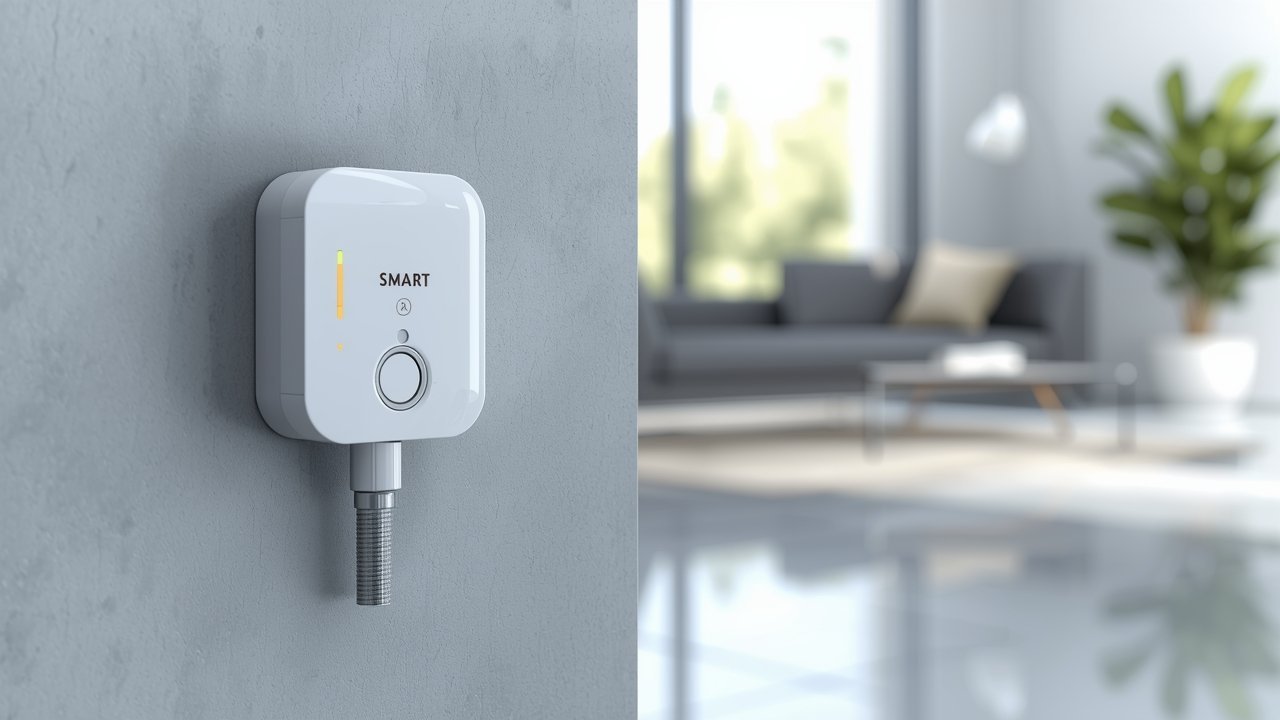
Even with advanced technology, common pitfalls can undermine effectiveness. A frequent mistake is inadequate sensor placement, leaving high-risk areas unprotected. Always ensure comprehensive coverage. Neglecting network stability is another issue; weak Wi-Fi signals can delay or prevent crucial alerts. Regularly test your network connection and sensor communication. Skipping the initial system test after installation can lead to false confidence; always verify that alerts are triggered and received. Lastly, overlooking battery maintenance is critical; failing to replace batteries proactively can render sensors useless when needed most. Set calendar reminders for periodic battery checks.
Maintenance, Updates & Long-Term Optimization
To ensure your smart water leak detection system remains a reliable safeguard, regular maintenance and proactive management are key. Periodically check and replace sensor batteries, typically every 6-12 months depending on the model and usage. Stay vigilant for firmware updates for your sensors and smart hub, as well as updates for the mobile application, to benefit from improved features, security patches, and bug fixes. Conduct annual system tests by intentionally triggering a sensor to confirm that alerts are still functioning as expected. Review your alert recipients and settings periodically, especially if team members change or business operations evolve. Physically inspect sensors for any signs of damage, dust accumulation, or corrosion, cleaning them as needed to maintain optimal performance.
Conclusion
In the digital age, protecting your physical assets is just as critical as your digital ones. For entrepreneurs, startups, and freelancers, the investment in Smart water leak detectors with instant mobile alerts offers an invaluable shield against unforeseen disasters. These systems prevent costly damage, minimize operational disruptions, and provide unmatched peace of mind, allowing you to focus on growing your business. By embracing this accessible and powerful technology, you’re not just installing devices; you’re building a more resilient, secure, and future-proof operation. Don’t wait for a crisis to realize its worth. Implement Connected water sensors with real-time leak alerts today and safeguard your venture against one of the most common, yet overlooked, threats.
FAQs
How do smart water leak detectors typically function?
These devices use electrochemical sensors to detect the presence of water on their contact points. Once moisture is detected, they send a signal wirelessly (via Wi-Fi or a hub) to a cloud service, which then triggers an immediate notification to your smartphone or other configured contacts through a dedicated app.Can I easily install these leak detectors myself without professional help?
Yes, most consumer-grade smart water leak detectors are designed for DIY installation. The process usually involves downloading an app, pairing the sensors, and placing them in critical locations. Clear instructions are typically provided, making setup accessible for anyone.What happens if my internet connection goes down? Will the detectors still work?
If your internet is down, cloud-based notifications to your phone may be temporarily unavailable. However, some advanced systems with a local hub can still trigger local alarms or even shut off your main water supply if integrated with a smart valve, providing a layer of protection even offline.Are smart water leak detection systems a significant expense for a small business?
No, entry-level smart leak detection systems are generally quite affordable, often costing less than a single business insurance deductible. The potential savings from preventing water damage to equipment and property far outweigh the initial investment, making them a very cost-effective preventative measure.