
Last Updated: September 6, 2026
If you’ve searched “Claude vs ChatGPT,” you’ve probably already noticed the problem: most comparisons either read like a press release for one side or hedge so hard you finish the article no closer to an answer. We use both tools daily for actual work — writing, coding, research, client deliverables — and this is the comparison we wish existed when we started.
Table of Contents
The Quick Answer
ChatGPT is the better default if you want one assistant that does everything — voice conversations, image generation, browsing, memory across chats, and the biggest ecosystem of third-party integrations. Claude is the better choice if your work centers on writing, coding, or reasoning through long, complex documents — it consistently produces cleaner, more carefully-reasoned output and handles large amounts of context without losing the thread.
Neither is a wrong choice. But for most people, one clearly beats the other depending on what “work” actually means to you — and that’s what the rest of this article is about.
Where Things Stand in 2026
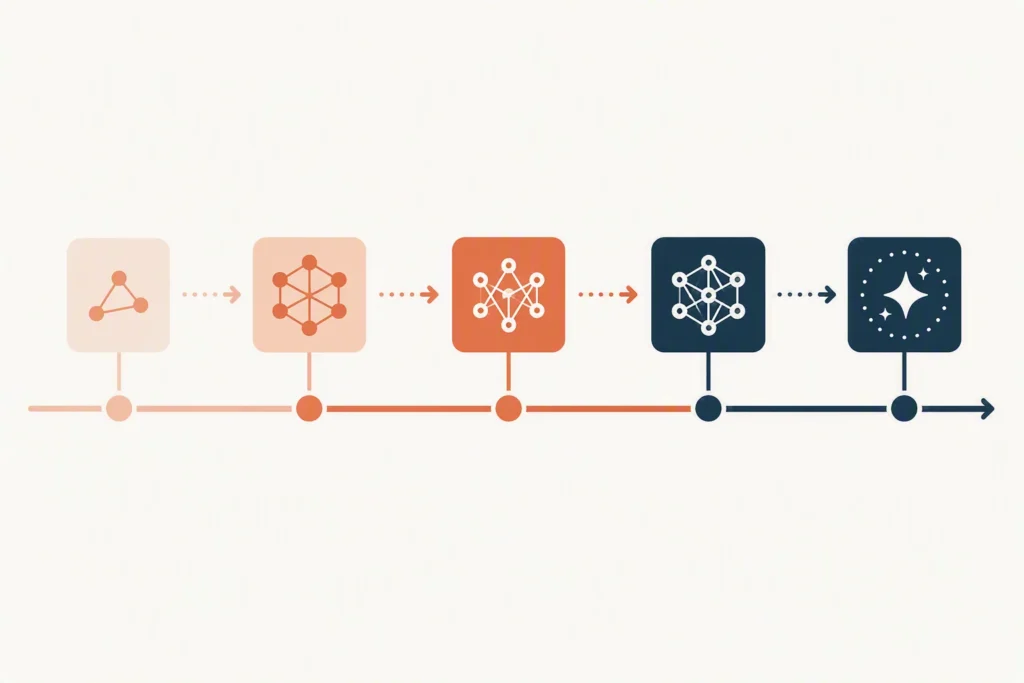
Both companies ship new models fast enough that a comparison from even a few weeks ago is already dated — this section was last checked on September 6, 2026.
OpenAI’s flagship is now GPT-6 Astra, released September 3, 2026, replacing GPT-5.6 as the top model rolling out across ChatGPT Plus, Pro, Business, and Enterprise. Astra brings major gains in coding, browsing, and computer-use tasks, and is notably the first OpenAI model classified at the “Critical” cybersecurity capability level under the company’s own safety framework — a significant step up, shipped with extra safeguards and a phased rollout rather than an instant switch-on for everyone.
Anthropic’s lineup has also moved: Claude Opus 5 is now the top Opus-tier model (replacing Opus 4.8), alongside Claude Sonnet 5 as the everyday balanced model and Claude Haiku 4.5 for fast, lightweight tasks. Anthropic has also expanded its highest tier above Opus with Claude Fable 5.1, aimed at the most demanding reasoning, coding, and long-running agent work — though broad public access remains more limited than the mainstream Opus/Sonnet/Haiku lineup.
Writing and Content Creation
This is where the two tools genuinely feel different, not just benchmark-different.
ChatGPT writes fluently and adapts tone well, especially for short-form content, marketing copy, and social posts. It’s fast, confident, and rarely produces something obviously wrong. Where it struggles is longer pieces — past a certain length, ChatGPT tends to drift toward generic phrasing and repeats structural patterns (the classic “furthermore, it is important to note” tell) unless you actively steer it away.
Claude is noticeably better at holding a consistent voice across a long piece, and it’s less prone to the over-hedged, listicle-flavored writing that AI content is often criticized for. If you’re drafting anything that needs to sound like an actual person — a newsletter, a blog post, a nuanced client email — Claude’s output usually needs less editing to get there.
Verdict: Claude for anything long-form or voice-sensitive. ChatGPT for fast, short-form output where speed matters more than polish.
Coding and Technical Work
Claude has built a strong reputation specifically in coding, and it holds up in practice — not just in benchmark screenshots. It’s particularly strong at working through an existing codebase, understanding context across multiple files, and making a targeted fix rather than rewriting everything in sight. Claude Code, Anthropic’s dedicated coding tool, extends this into full agentic workflows: delegating multi-step coding tasks rather than copy-pasting snippets back and forth.
One update worth flagging: GPT-6 Astra, released just days before this update, specifically targets coding, computer use, and software engineering as core strengths — early signals suggest it narrows the coding gap with Claude further. We’ll update this section with hands-on impressions once we’ve had more time working with it directly, rather than ranking it on release-day claims alone.
Verdict: Close, but Claude edges ahead for anything involving a real codebase rather than an isolated snippet.
Reasoning, Reliability, and Hallucination
Both companies have poured enormous effort into reducing hallucinations, and both are dramatically better than the chatbots of two years ago. In day-to-day use, Claude tends to be more conservative — it’s more likely to tell you it’s not sure, or to flag an assumption it’s making, rather than confidently stating something wrong. ChatGPT has closed much of this gap with its newer models, particularly for search-augmented answers where it can pull in live web results rather than relying purely on training data.
If your use case involves anything high-stakes — legal, medical, financial, or anything you can’t easily fact-check yourself — treat both as a first draft from a very well-read assistant, not a final source of truth.
Multimodal, Voice, and Ecosystem
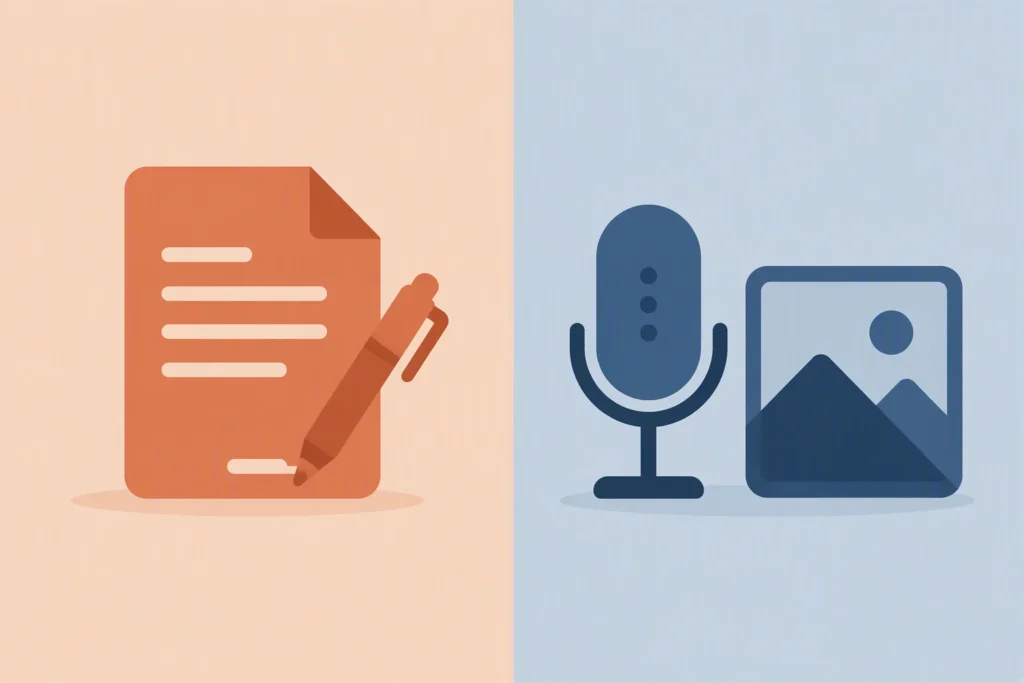
This is ChatGPT’s clearest advantage. It has native, fluid voice conversation, built-in image generation, a memory system that persists useful details across sessions, and by far the largest ecosystem of third-party integrations, GPTs, and browser extensions built around it. If you want one app that talks to you, sees images, generates them, and remembers your preferences without extra setup, ChatGPT is simply more complete.
Claude has closed some of this gap — it can read images and documents well, and Claude in Chrome adds real browsing capability — but it’s a more focused tool. Anthropic has clearly prioritized depth over breadth: fewer bells and whistles, more reliability on the tasks it’s built for.
Verdict: ChatGPT if you want an all-in-one assistant. Claude if you want a tool that does fewer things but does them more carefully.
Context Window and Long Documents
Both platforms now support very large context windows on their top-tier models, meaning you can feed in an entire report, codebase, or set of documents rather than chunking things manually. In practice, Claude tends to make better use of that space — it’s less likely to “forget” something mentioned early in a long conversation or document, which matters a lot if you’re doing serious research, contract review, or working through a large dataset in one sitting.
Pricing: What You Actually Get
Both tools offer usable free tiers, and both charge roughly similar amounts for their main paid consumer plan. Where it gets more interesting is the range: ChatGPT’s plan lineup spans from free through Plus, Pro, and business/enterprise tiers, with Pro aimed at users who want maximum reasoning depth without API-level pricing. Claude’s consumer plans similarly scale from free through Pro and higher usage tiers, with Claude Code and the API priced separately by usage for developers who want to build on top of either platform rather than just chat with it.
If you’re comparing pure value for a casual user, they’re close enough that price alone shouldn’t be the deciding factor — what you’ll actually use the tool for matters far more.
Claude vs ChatGPT: Side-by-Side
| Claude | ChatGPT | |
|---|---|---|
| Best at | Long-form writing, coding in real codebases, careful reasoning | Voice, images, breadth, all-in-one ecosystem |
| Current top model | Opus 5 | GPT-6 Astra |
| Free tier | Yes | Yes |
| Voice mode | Limited | Full, fluid voice conversation |
| Memory across chats | Limited | Yes |
| Coding tool | Claude Code | Codex |
| Best for | Writers, developers, researchers | Everyday users, multitaskers |
So, Which One Should You Actually Use?

Here’s the honest, practical breakdown:
- You write for a living (blogger, marketer, content creator) → Claude. Less editing, more consistent voice across long pieces.
- You code regularly, especially in an existing project → Claude, particularly with Claude Code for anything agentic.
- You want one app for everything — voice chats, image generation, quick answers, casual use → ChatGPT.
- You’re doing deep research or reviewing long documents → Claude, for the more reliable long-context handling.
- You’re not sure and just want to try the strongest all-rounder first → ChatGPT, simply because its ecosystem makes it easier to explore everything in one place.
Plenty of people end up using both — Claude for focused writing and coding sessions, ChatGPT for everything else. If you want to see how a third major player stacks up against both, our Claude vs ChatGPT vs Gemini comparison covers where Google’s model fits into this picture. And if your main use case is AI-assisted writing specifically, our best AI writing tools guide goes deeper into dedicated tools built just for that.
Frequently Asked Questions
Is Claude better than ChatGPT? It depends on the task. Claude tends to produce better long-form writing and handles coding within existing codebases more reliably. ChatGPT wins on breadth — voice, image generation, memory, and third-party integrations.
Is Claude or ChatGPT free? Both offer free tiers with real, usable access to a current-generation model, not a stripped-down legacy version. Both also offer paid plans that unlock higher usage limits and top-tier models.
Which is better for coding, Claude or ChatGPT? Claude generally has the edge for working within a real, existing codebase — understanding context across multiple files and making targeted changes. ChatGPT is comparably strong for standalone scripts and debugging.
Can I use both Claude and ChatGPT? Yes, and many professionals do — using each tool for what it’s genuinely best at rather than picking one as a permanent default.
Final Verdict
There’s no universal winner here, and anyone who tells you otherwise is selling something. If your work is writing- or code-heavy, Claude will save you more editing time. If you want a single assistant that talks, sees, remembers, and plugs into everything, ChatGPT is still the more complete product. Try both on your actual work for a week — the difference will be obvious a lot faster than any benchmark table can show you.
For a wider view across every AI tool category, not just chatbots, see our complete free AI tools rankings.