
In today’s dynamic digital landscape, where every efficiency gain and operational insight can be a game-changer, how much attention do you pay to an often-overlooked yet critical element: indoor air quality? For online businesses, co-working spaces, startups, and even freelancers operating from home offices, the environment profoundly impacts productivity, employee well-being, and sustained focus.
Table of Contents
Imagine a system that not only monitors this unseen factor but also intelligently adapts your workspace to optimize it. This is precisely where the innovative power of Smart window sensors for air quality monitoring comes into play, offering a seamless blend of technology and practical application to enhance digital work environments. These solutions, leveraging advanced IoT-enabled air quality sensors, provide real-time data to empower smart decisions, leading to healthier, more productive spaces.
Tools & Requirements
Implementing a robust system for smart window sensors and air quality monitoring requires a strategic blend of hardware and software components. Here’s what you’ll typically need:
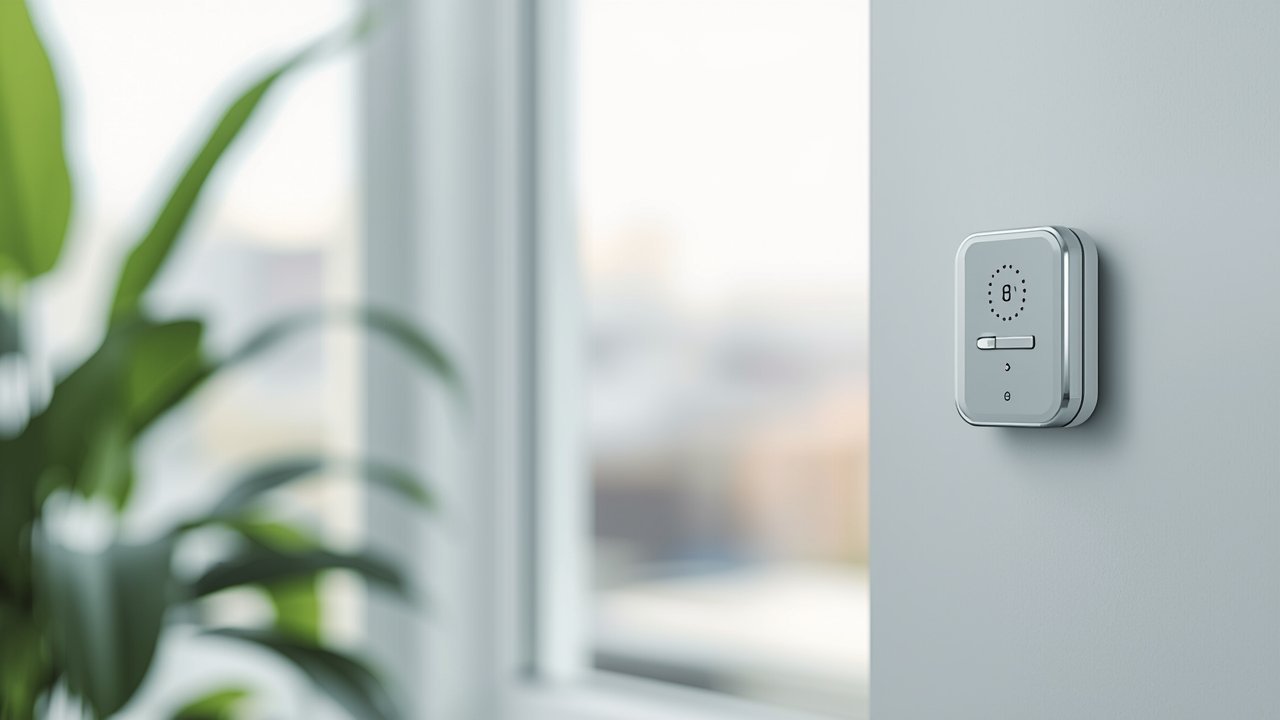
- Smart Window Sensors: Devices capable of detecting window status (open/closed) and often integrated with air quality sensors for VOCs, CO2, temperature, and humidity. Brands like Aqara, Shelly, or custom IoT solutions.
- Air Quality Sensors: Dedicated sensors for a comprehensive range of pollutants (PM2.5, PM10, CO2, TVOCs, Formaldehyde). Many smart window sensors now include these, but standalone units like Airthings, Awair, or PurpleAir offer deeper insights.
- Smart Hub/Gateway: A central processing unit (e.g., Zigbee, Z-Wave, Wi-Fi hub) to connect all sensors to your network. Examples include Samsung SmartThings, Hubitat, Homey, or manufacturer-specific gateways.
- Cloud Platform/API Access: For data storage, analysis, and integration with other business tools. Services like AWS IoT Core, Google Cloud IoT, Microsoft Azure IoT Hub, or dedicated platforms like IFTTT, Zapier, or custom APIs.
- Automation Software: To create rules and automate actions based on sensor data. This could be integrated into your smart hub, a dedicated home automation platform (e.g., Home Assistant), or cloud-based services.
- Data Visualization Dashboard: Tools like Grafana, Power BI, Tableau, or even a simple Google Sheets dashboard for monitoring trends and insights.
- Optional: Smart Window Openers/Ventilation Systems: For automated ventilation based on air quality readings.
- Stable Wi-Fi Network: Essential for reliable communication between devices and the cloud.
Setup & Implementation Timeline

The initial setup of smart window sensors and integrating them with air quality monitoring typically involves a moderate learning curve, especially if you’re venturing into IoT for the first time. For a small office or co-working space (5-10 sensors), expect the hardware installation to take 2-4 hours. The software configuration, including connecting to a hub, setting up a cloud platform, and defining initial automation rules, might take an additional 4-8 hours, depending on your familiarity with IoT ecosystems. You can generally expect to see initial results and real-time data within a day of full setup. However, understanding air quality trends and optimizing automation rules for maximum impact will require several weeks of data collection and fine-tuning.
Step-by-Step Implementation Guide

Deploying Smart window sensors for air quality monitoring involves several crucial steps to ensure a robust and effective system:
- Plan Your Deployment:
- Identify critical areas: Determine which windows and rooms (e.g., meeting rooms, main office, individual workspaces) require monitoring. Consider factors like occupancy, external noise, and sunlight exposure.
- Choose your ecosystem: Decide on a smart hub and sensor brands that are compatible and meet your budget and scalability needs.
- Install Hardware:
- Mount smart window sensors: Place sensors securely on window frames, ensuring they can accurately detect open/closed states.
- Position dedicated air quality sensors: For comprehensive data, place standalone IoT-enabled air quality sensors at a central, unobstructed location in each target room, away from direct drafts or heat sources.
- Set up the smart hub: Connect your hub to power and your network, placing it centrally for optimal sensor communication.
- Configure Software & Integrations:
- Pair sensors with the hub: Follow manufacturer instructions to connect all sensors to your chosen smart hub.
- Integrate with a cloud platform: Link your hub’s data stream to a cloud platform (e.g., Home Assistant, AWS IoT). This centralizes data for analysis and enables broader automation.
- Create dashboards: Set up a data visualization dashboard to monitor real-time air quality metrics, window statuses, and historical trends.
- Define Automation Rules:
- Basic Automation: For instance, if CO2 levels exceed 1000 ppm and a window is detected as closed, trigger a notification to open the window.
- Advanced Automation: Integrate with smart ventilation systems. If air quality drops and a window is open, send an alert. If air quality drops and no one is present, trigger an automated window opener (if installed).
- Scheduling: Implement time-based rules, such as proactive ventilation during peak occupancy hours.
- Test and Refine:
- Thoroughly test all sensors and automation rules to ensure they trigger as expected.
- Monitor data for the first few weeks to identify any blind spots or areas for improvement in sensor placement or rule logic.
Key Benefits & Business Impact
The strategic deployment of smart window sensors combined with air quality monitoring offers significant advantages for modern online businesses, freelancers, and startups. Firstly, it directly translates to enhanced productivity and focus. Studies consistently show that poor indoor air quality, particularly elevated CO2 levels, impairs cognitive function. By automatically maintaining optimal air conditions, you reduce employee fatigue, boost concentration, and minimize sick days, leading to measurable gains in output. Secondly, it provides actionable insights into your workspace environment, allowing for data-driven decisions on ventilation strategies and energy efficiency.
For example, knowing when to naturally ventilate versus relying on HVAC can significantly reduce operational costs. Lastly, for co-working spaces or client-facing offices, promoting a healthy environment becomes a competitive differentiator, attracting and retaining talent or members. The robust data gathered by Smart window sensors for air quality monitoring empowers businesses to create a healthier, more efficient, and more appealing physical workspace, directly contributing to ROI through improved well-being and reduced overhead. Leveraging IoT-enabled air quality sensors in this manner moves from a reactive approach to a proactive, intelligent management of your physical business assets.
Advanced Tips, Alternatives, or Optimization Strategies
- Integrate with Calendar Systems: Link air quality data with meeting room schedules. Automatically pre-ventilate a room before a heavy occupancy period.
- Machine Learning for Predictive Analysis: For larger deployments, leverage cloud-based ML services (e.g., AWS SageMaker) to predict air quality drops based on historical data, weather patterns, and occupancy, allowing for proactive adjustments.
- Feedback Loops for HVAC: Integrate sensor data directly with your building’s HVAC system for dynamic, data-driven ventilation and temperature control, optimizing both comfort and energy consumption.
- Automated Alerting & Reporting: Set up advanced alerts via Slack, email, or SMS for critical air quality events. Generate daily/weekly reports for facility managers or business owners on environmental trends.
- Voice Control Integration: For quick manual adjustments, integrate with voice assistants like Alexa or Google Assistant to ask about current air quality or open/close smart windows.
- Free vs. Paid Tools: Start with open-source solutions like Home Assistant (free) and Grafana (free) for local control and visualization. As needs grow, consider paid SaaS platforms like Airthings for Business or specialised building management systems for greater scalability and enterprise features.
Common Mistakes to Avoid
- Overlooking Network Stability: A weak or overloaded Wi-Fi network is the most common culprit for sensor disconnections and data loss. Ensure dedicated bandwidth for IoT devices where possible.
- Incorrect Sensor Placement: Placing air quality sensors near vents, doors, or directly in sunlight can skew readings. Follow manufacturer guidelines for optimal placement.
- Ignoring Calibration and Maintenance: Sensors can drift over time. Regularly check sensor accuracy (if possible) and keep them clean to prevent dust buildup from affecting readings.
- Lack of Actionable Automation: Simply collecting data without establishing clear automation rules or alerts is a missed opportunity. Ensure your system triggers actual responses.
- Neglecting Data Security: IoT devices can be vulnerable. Use strong, unique passwords, keep firmware updated, and isolate your IoT network from your main business network if feasible.
- Underestimating the Learning Curve: Don’t expect to be an expert overnight. Start with simple automations and gradually add complexity as you gain familiarity with the system.
Maintenance, Updates & Long-Term Optimization
Maintaining an effective smart air quality monitoring system is crucial for its longevity and accuracy. Regularly check for firmware updates for your smart hub and individual sensors, as these often include security patches, performance improvements, and new features. Establish a schedule for reviewing sensor data to identify any anomalies or persistent issues, indicating potential hardware faults or calibration needs.
Back up your automation configurations and platform settings, especially before major updates, to prevent data loss or service disruption. Periodically assess the relevance of your automation rules; as your business evolves or environmental factors change, your rules may need optimization. Lastly, consider expanding your system to cover new areas or integrate additional sensor types (e.g., noise levels) to gain an even more comprehensive understanding of your workspace environment, continuously driving towards a healthier, smarter, and more efficient operation.
Conclusion
Embracing Smart window sensors for air quality monitoring is more than just adopting a new gadget; it’s a strategic investment in the health, productivity, and operational efficiency of your digital business. From enhancing cognitive performance in co-working spaces to optimizing energy consumption in home offices, the actionable insights provided by these systems are invaluable. By following a structured implementation guide and committing to ongoing maintenance, you can transform your environment from a passive space into an intelligently managed ecosystem. Don’t let invisible threats undermine your business’s potential. Take the leap and integrate advanced IoT-enabled air quality sensors to build a truly smart, responsive, and thriving workspace for the digital age.
FAQs
How do smart window sensors differ from regular contact sensors?
While regular contact sensors only detect open/closed status, smart window sensors often integrate with other environmental sensors like temperature, light, or even vibration. They also connect to a smart home ecosystem, allowing for advanced automation and remote monitoring via apps.Can these systems really save energy for my business?
Absolutely. By providing data on indoor air quality, you can optimize ventilation, reducing reliance on expensive HVAC systems when natural ventilation is sufficient. Automated rules can ensure windows are closed when heating or cooling is active, preventing energy waste.Are these sensors easy for a non-technical person to install?
Many modern smart sensors are designed for DIY installation, often involving simple adhesive mounting and app-based setup. While connecting to complex automation platforms might require some technical comfort, basic monitoring setups are generally accessible to most users.What kind of data do air quality sensors typically collect?
Common data points include carbon dioxide (CO2) levels, volatile organic compounds (VOCs), particulate matter (PM2.5, PM10), temperature, and humidity. Some advanced sensors might also detect formaldehyde or other specific pollutants, providing a comprehensive environmental overview.How often should I check the air quality data?
For continuous monitoring, real-time dashboards are ideal. However, reviewing daily or weekly trend reports can help identify patterns and inform strategic adjustments to your ventilation and space management. Alerts for critical thresholds should be set for immediate notification.