
The rise of the tiny home movement isn’t just about minimalist living; it’s a strategic embrace of efficiency, cost-saving, and smart technology. For entrepreneurs, digital nomads, and remote professionals operating from these compact spaces, every square foot and every utility dollar counts.
Table of Contents
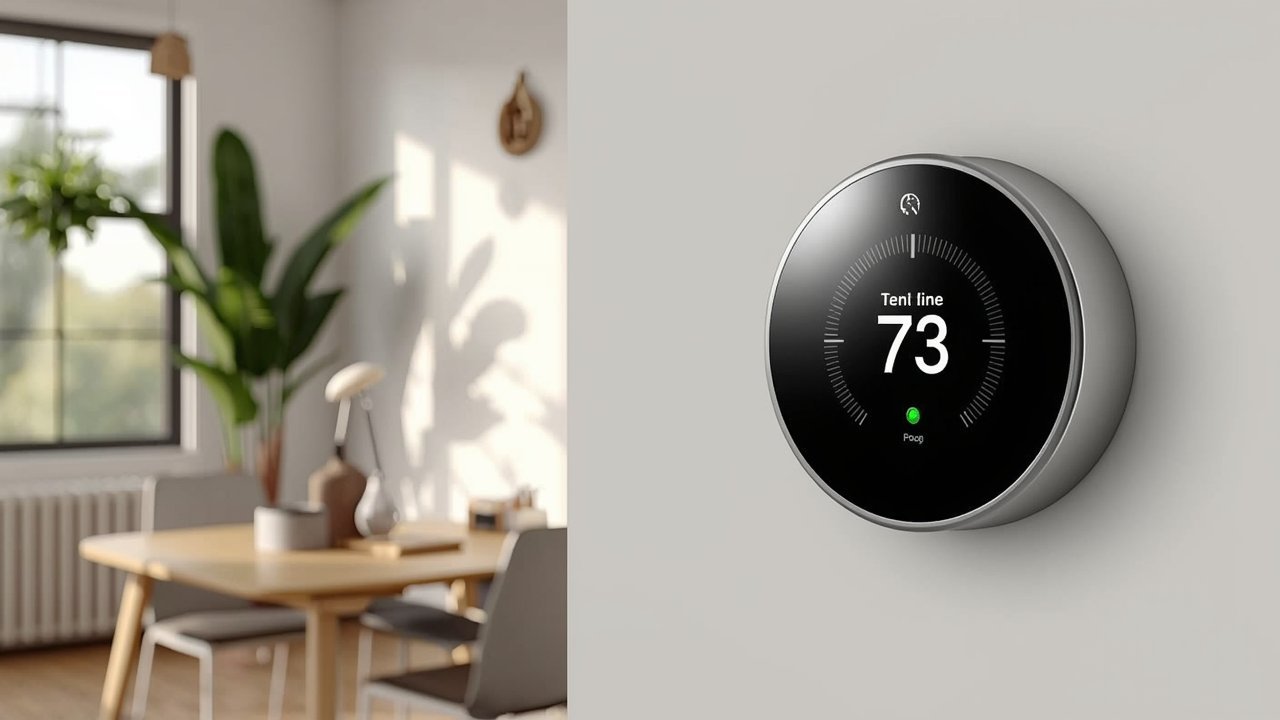
Optimizing environmental control is no longer a luxury but a necessity for productivity and financial prudence. This is where the intelligent integration of advanced digital tools becomes invaluable. Imagine a climate system that anticipates your needs, adapts to external conditions, and learns your preferences, all while minimizing energy waste. That’s the promise of AI-powered smart thermostats for tiny homes, offering a sophisticated blend of comfort and economy. These devices are rapidly becoming essential for anyone seeking efficient space-saving smart climate control solutions, transforming how we interact with our living and working environments.
Tools & Requirements
Implementing an AI-powered smart thermostat requires a few essential components and, ideally, some optional tools for enhanced functionality:
- Smart Thermostat Unit: Brands like Ecobee, Google Nest, and Honeywell Home offer robust AI-driven models. Choose one compatible with your HVAC system (check voltage, wiring, and system type: conventional, heat pump, etc.).
- Smartphone or Tablet: For initial setup, configuration, and remote control via the manufacturer’s dedicated app.
- Reliable Wi-Fi Network: A stable internet connection is crucial for the thermostat’s learning capabilities, remote access, and integration with other smart home platforms.
- Basic Hand Tools: Screwdriver, wire strippers (optional, often not needed), and possibly a drill for mounting.
- Existing HVAC System: Ensure your heating, ventilation, and air conditioning system is in good working order.
- Optional: Smart Home Hub: Platforms like Amazon Alexa, Google Home, or Apple HomeKit can centralize control and enable advanced automation routines.
- Optional: Energy Monitoring Apps/Services: Some thermostats offer integrated energy reports; others can link to third-party services for deeper analytics.
Setup & Implementation Timeline

The journey to smarter climate control is surprisingly quick and rewarding:
- Initial Setup & Installation: For a DIY enthusiast, the physical installation typically takes about 30 minutes to 1 hour, depending on your comfort level with basic wiring. Professional installation might take slightly longer due to scheduling but offers peace of mind.
- Learning Curve: The app interfaces for most smart thermostats are intuitive. The learning curve for basic operation is low (1-2 hours). Understanding and optimizing advanced features like geofencing, scheduling, and occupancy sensing might take a few days of experimentation.
- Time to See Results: You’ll experience immediate comfort control after setup. However, the AI’s true benefit – energy savings and optimized performance – emerges over weeks as it learns your habits, local weather patterns, and home’s thermal characteristics. Expect noticeable efficiency improvements within 2-4 weeks.
Step-by-Step Implementation Guide

Transforming your tiny home’s climate control system is a straightforward process that yields significant dividends. Here’s how to integrate AI-powered smart thermostats for tiny homes effectively:
- Pre-Installation Check: Before anything, ensure your smart thermostat is compatible with your HVAC system. Turn off power to your HVAC system at the breaker. Take a photo of your existing thermostat’s wiring for reference.
- Remove Old Thermostat: Carefully disconnect and remove your old thermostat. Label the wires if your new unit doesn’t have a clear guide or if you anticipate needing to refer back.
- Install New Thermostat: Follow the manufacturer’s instructions precisely. Mount the new base plate, connect the wires to the appropriate terminals (often guided by color-coding or the app), and snap the thermostat faceplate into place.
- Power On & Connect to Wi-Fi: Restore power at the breaker. Your smart thermostat will typically prompt you to connect to your home’s Wi-Fi network. Use the companion app for this step.
- App Setup & Calibration: Download the thermostat’s app. Create an account, register your device, and go through the initial setup wizard. This usually involves telling it about your home type (tiny home!), HVAC system, and basic preferences. The thermostat may also run an auto-calibration sequence.
- Begin the Learning Phase: This is where the AI shines. For the first week or two, live as you normally would. The thermostat will learn your routines, preferred temperatures, and how quickly your tiny home heats or cools. It will also track outdoor weather.
- Configure Smart Features:
- Geofencing: Set up geofencing to detect when you leave or approach home, automatically adjusting temperatures to save energy or ensure comfort upon arrival. This is particularly useful for remote workers who travel frequently.
- Occupancy Sensors: If your model includes them (or integrates with external ones), leverage these to prevent heating/cooling an empty space.
- Scheduling: While AI learns, you can set initial schedules, which the AI will then optimize. For online businesses, this ensures a comfortable working environment during peak hours and energy savings off-hours.
- Integrations: Link your thermostat with other smart home devices (e.g., smart lighting, smart plugs) for holistic automation. This is a crucial aspect of developing comprehensive space-saving smart climate control solutions.
Key Benefits & Business Impact
For tiny home entrepreneurs and online businesses, AI-powered smart thermostats deliver tangible advantages beyond mere comfort:
- Significant Energy Cost Reduction: AI algorithms optimize heating and cooling based on occupancy, learned preferences, and external factors, often leading to 10-20% (or more) savings on utility bills. This directly impacts your operational bottom line.
- Enhanced Productivity & Focus: A consistently comfortable environment eliminates temperature-related distractions, allowing you to focus on your work. Automated climate control means one less thing to manage manually.
- Remote Management & Flexibility: Control your tiny home’s climate from anywhere using your smartphone. Ideal for digital nomads, those managing rental properties, or simply adjusting conditions before returning home.
- Data-Driven Insights: Access detailed energy usage reports. This data empowers you to identify peak consumption periods, track savings, and make informed decisions for further optimization.
- Increased Property Value & Appeal: For tiny home owners considering resale or short-term rentals, smart home tech like AI thermostats is a significant draw, indicating modernity and efficiency.
- Sustainability Footprint: Reduced energy consumption contributes to a smaller carbon footprint, aligning with eco-conscious brand values and personal ethics.
Advanced Tips, Alternatives, or Optimization Strategies
To truly maximize the potential of your smart thermostat:
- Integrate with Weather APIs: Some advanced systems can pull real-time weather forecasts to pre-heat or pre-cool your tiny home, ensuring optimal comfort upon arrival without overworking the HVAC.
- Leverage IFTTT or Zapier: Use these automation platforms to create complex routines. For example, “If my smart lock unlocks AND it’s below 68°F, then set thermostat to 72°F.”
- Consider Smart Vents (if applicable): For multi-zone tiny homes or RVs, smart vents can direct airflow more precisely, enhancing comfort in specific areas like a dedicated workspace.
- Energy Audit Integration: Pair your thermostat data with a smart energy meter for a comprehensive view of your tiny home’s overall energy consumption, identifying other areas for savings.
- Voice Control: Integrate with Google Assistant or Amazon Alexa for hands-free temperature adjustments, perfect when your hands are busy with work.
- Predictive Maintenance Alerts: Some thermostats monitor HVAC system performance and can alert you to potential issues before they become major breakdowns, saving repair costs and downtime.
Common Mistakes to Avoid
Even with advanced technology, missteps can hinder performance and savings:
- Skipping Compatibility Checks: Always verify your new thermostat works with your existing HVAC system and wiring (especially if you lack a common ‘C’ wire, though some models offer workarounds).
- Ignoring the Learning Phase: Constantly overriding manual settings during the initial weeks prevents the AI from accurately learning your patterns, hindering its optimization capabilities.
- Weak Wi-Fi Connection: A spotty Wi-Fi signal will lead to dropped connections, missed commands, and a failure to update weather data or remote access. Ensure strong coverage.
- Neglecting Firmware Updates: Manufacturers regularly release updates that improve performance, add features, and patch security vulnerabilities. Keep your device updated.
- Over-scheduling Manually: While schedules are useful, relying solely on rigid manual schedules negates the AI’s adaptive benefits. Let the AI do its job, then fine-tune.
- Improper Sensor Placement: If using external sensors, placing them in direct sunlight or near heat sources will give inaccurate readings, leading to inefficient climate control.
Maintenance, Updates & Long-Term Optimization
To ensure your smart thermostat continues to perform optimally and deliver maximum value:
- Regular Software/Firmware Updates: Enable automatic updates within the app or periodically check for new versions. These often include performance enhancements, new features, and crucial security patches.
- Monitor Energy Reports: Regularly review the energy usage reports provided by your thermostat’s app. This helps you track savings, identify unusual spikes, and understand the impact of your settings.
- Clean Sensors: If your thermostat or its remote sensors have dust buildup, gently clean them with a soft, dry cloth. Dust can interfere with temperature and occupancy detection.
- Seasonal Schedule Review: While AI adapts, a quick review of your comfort settings at the change of seasons can help reinforce preferences and ensure efficient operation in varying weather conditions.
- Cybersecurity Best Practices: Use strong, unique passwords for your thermostat’s app and Wi-Fi network. Enable two-factor authentication if available. Regularly check for any security advisories from the manufacturer.
- Backup Settings: Most smart thermostats store settings in the cloud, but it’s good practice to understand how to back up or restore your preferred configurations if needed.
Conclusion
The strategic deployment of digital technology is a hallmark of successful online businesses and resourceful entrepreneurs, especially those embracing the tiny home lifestyle. By integrating AI-powered smart thermostats for tiny homes, you’re not just installing a gadget; you’re investing in a sophisticated system that optimizes your living and working environment, cuts operational costs, and enhances productivity. This technology represents a practical, data-driven approach to environmental management, making your compact space more comfortable, efficient, and intelligent. Embracing these advanced space-saving smart climate control solutions empowers you to focus more on your ventures and less on utility bills. It’s time to let AI take the reins of your tiny home’s climate, allowing you to thrive in comfort and efficiency.
FAQs
Q1: Are AI-powered smart thermostats really worth the investment for a tiny home?
Absolutely. The upfront cost is often quickly offset by significant energy savings, typically ranging from 10-20% or more on heating and cooling bills. For tiny homes, where every expense is scrutinized, these savings translate directly to a better bottom line for entrepreneurs and freelancers, enhancing overall operational efficiency and comfort in a compact space.
Q2: How difficult is it to install a smart thermostat in a tiny home?
For most DIYers with basic tools and a bit of patience, installation is straightforward, usually taking under an hour. Manufacturers provide clear, step-by-step instructions and app-guided tutorials. The primary consideration is checking compatibility with your existing HVAC system and ensuring you have a common wire (C-wire) or a compatible alternative solution.
Q3: Can these thermostats help me understand my energy usage better?
Yes, that’s a key benefit. Most intelligent thermostats offer detailed energy usage reports through their companion apps. They break down consumption by heating and cooling, track trends, and even compare your usage to similar homes. This data empowers you to identify peak consumption, understand efficiency impacts, and make informed adjustments to save more.
Q4: What about cybersecurity for these connected devices?
Cybersecurity is a valid concern for any connected device. Reputable manufacturers implement robust security measures, including encryption and regular firmware updates to patch vulnerabilities. Users should always employ strong, unique passwords, enable two-factor authentication if available, and keep their thermostat’s software up to date to maintain optimal protection.
Q5: Can I control my tiny home’s climate when I’m away for business?
Definitely. A core feature of modern connected thermostats is remote access. Through their dedicated smartphone apps, you can monitor, adjust, and schedule your tiny home’s climate from anywhere in the world with an internet connection. This is incredibly beneficial for digital nomads or entrepreneurs who frequently travel, ensuring comfort upon return or managing properties remotely.